A Practical Guide to Choosing an Organic Mattress: What to Look For
An editor’s note on certifications, materials, and Washington-focused considerations for a sleep that is sound in both body and conscience.
Published September 30, 2026
In the quiet cadence of a well-made bed, we discover a promise: that the hours spent between sheets are not wasted hours. The organic mattress is not merely a product but a covenant—between materials, manufacturing ethics, and the sleeper who lies upon it. For readers in Washington state and Washington, D.C., where climate, urban living, and environmental awareness converge, choosing an organic mattress is less a purchase than a conscientious act. This guide seeks to illuminate the landscape: what makes a mattress organic, which certifications truly matter, and how to assess comfort without surrendering to brand hype.
Understanding the Core Idea: What “Organic” Really Means
Organic mattresses are defined not merely by a label but by a chain of stewardship that begins with organic farming and extends through to the point of purchase. In practice, this means materials that are grown and processed under strict standards designed to minimize chemical exposure, environmental impact, and risk to waterways and wildlife. For a sleeper, that translates into a surface that regulates temperature with natural fibers, resists off-gassing, and maintains durability without relying on petrochemical additives.
Yet the term “organic” is not synonymous with “perfect.” It is a signal—albeit a strong one—that the product aligns with certain certified benchmarks. The conundrum is that the mattress ecosystem is a mosaic of certifications, each with its own scope. The responsible consumer learns to read the landscape with a patient eye, much as one would read a city map for the most direct yet scenic route through a new neighborhood.
Key Certification Labels and What They Guarantee
Certifications are the lingua franca of trustworthy bedding. When you encounter a label, you’re not simply reading a trademark; you’re reading a map of practices, from raw material origins to processing and finished product safety. The major players in the organic mattress space include:
- GOTS (Global Organic Textile Standard) – The gold standard for organic textiles, ensuring organic fiber content, fair labor practices, and environmentally friendly processing. For fabrics on covers or in padding, a GOTS-certified textile is a strong indicator of lower chemical exposure.
- GOLS (Global Organic Latex Standard) – The benchmark for organic latex, covering the latex's organic content, extraction methods, and processing, with a focus on ecological and social responsibility in the supply chain.
- GOTS-certified fabrics – Not all components need to be GOTS, but when the fabric coverings carry this certification, it signals a higher level of organic integrity for the textile layer that makes contact with skin.
- Certifications for natural latex and wool – Some brands extend organic or natural certifications to latex and wool components, which can be important for allergy considerations and temperature regulation.
- Certifications for adhesives and fire retardants – Ethical brands often pursue low-VOC adhesives and avoid harsh flame retardants, aligning with healthier indoor air quality for bedrooms in urban and suburban settings alike.
Material Deep-Dive: Natural Latex, Certified Organic Cotton, and Wool
The material triad that often anchors an organic mattress consists of natural latex, certified organic cotton, and wool. Each contributes a different attribute to the sleep experience:
- Natural latex – Offers responsive support, durability, and excellent pressure relief. The organic variant avoids petrochemical processing used in some synthetic foams, and when labeled as GOLS-certified, it comes with a verified supply chain of organic latex.
- Certified organic cotton – Serves as the soft, breathable fabric cover and sometimes inner padding. Its organic status reduces pesticide exposure for farm workers and minimizes chemical residues near the sleeper’s skin.
- Wool – A natural regulator of temperature and moisture. Wool fibers can wick away humidity and provide a climate-controlled surface that remains comfortable across seasonal swings—an especially welcomed feature in climates ranging from Washington’s damp coastal zones to its arid interiors.
When evaluating these materials, consider how they interact with your sleep position, temperature preferences, and any skin sensitivities. A good organic mattress should adapt to your posture without sacrificing long-term resilience, and it should feel honest in its construction—no shell games of foam cushions with hidden synthetic cores.
Washington-Specific Considerations: Climate, Housing, and Sleep Environments
Washington state and the District of Columbia share a humanistic reverence for thoughtful design and sustainable living, yet their sleep environments present distinct challenges. Washington’s coastal humidity and temperate yet variable seasons can influence bedding needs, particularly in bedrooms with limited HVAC control. In urban Washington, D.C., apartments may feature compact rooms with variable heat and moisture, making breathable, temperature-regulating materials a priority. An organic mattress, chosen with an eye toward climate-appropriate layering, can ease concerns about allergens, mildew, and overall indoor air quality.
In both regions, the bedroom is a sanctuary where quiet rituals—reading a book, drawing the shades, easing into sleep—become a daily practice. An organic mattress is best viewed not as a product aligned with a single season but as a foundation that supports a stable, restorative routine across the calendar year.
Assessing Comfort: How to Evaluate Feel, Support, and Longevity
Comfort is a subjective conversation, but there are objective cues to listen for. When testing an organic mattress, the aim is to measure how well it supports spinal alignment across different sleeping positions, how it responds to movement, and how it holds up under repeated load. Here are practical steps you can take in a showroom or at home with a trial period:
- Spend at least 15 minutes lying on the mattress in your typical sleep posture (back, side, or stomach) to gauge pressure relief and support alignment.
- Assess motion isolation if you share the bed—do you feel your partner’s movement distinctly, or is the surface dampened by the materials?
- Check for uniform firmness and absence of “hot spots” where heat and moisture accumulate. Natural fibers and breathable layers matter here.
- Inspect edge support if you sit on the edge; a well-constructed organic mattress shouldn’t feel like you’re perched near a cliff when you put on socks in the morning.
- Consider the long-term durability: organic cotton and wool tend to hold up well, but latex or hybrid constructions can offer varied lifespans depending on layers and density.
A Checklist for Selecting an Organic Mattress
- Certifications: Prioritize GOTS for textiles and GOLS for latex, with attention to fabric certifications that cover covers and padding.
- Materials: Prefer natural latex (labeled as natural rather than synthetic), organic cotton, and wool where possible. Be wary of foams with unclear sourcing.
- Care and maintenance: Look for machine-washable covers or easily replaceable top layers. Organic materials should endure regular cleaning without losing integrity.
- Hypoallergenic considerations: If sensitivities exist, verify the absence of common allergens and check fiber compositions and certifications specific to allergen control.
- Climate compatibility: In Washington’s damp climates, moisture management is critical. Favor breathable, moisture-wicking layers that prevent mildew and odor buildup.
- Warranty and return policy: A robust warranty and a transparent return or trial period are essential to ensure that the investment aligns with your sleep experience.
Edition in Practice: A Visual Example from Vermont Craftsmanship
To illuminate the dialogue between material integrity and sleep comfort, consider a representative set of organic bed foundations from reputable craft traditions. Among products that exemplify the ethos of sustainable, honest construction are lines such as a skyline panel bed built from solid woods, finished with eco-friendly oils to preserve the material’s natural character. While the bed itself is not a component of the mattress, it embodies the same values of timber stewardship, long-term durability, and quiet, architectural presence that characterize a thoughtful sleep environment.
Below are brief profiles of three crafted bed foundations that echo the values of organic sleep markets, each selected to complement the Washington sleep guide without turning the page into a sales catalog.
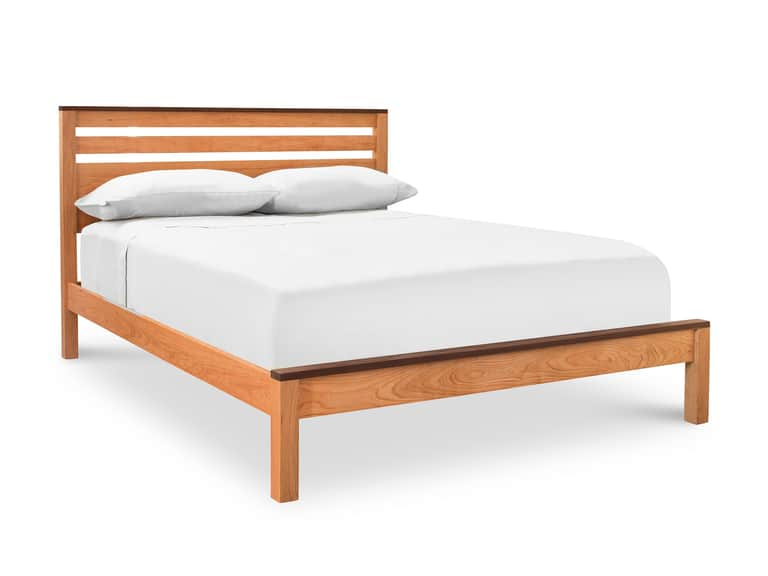
Skyline Panel Bed
Solid Cherry, Maple, or Walnut, eco-friendly oil finish.
A panel bed that embodies a calm, architectural silhouette, crafted in Vermont with a finish that respects the wood’s natural character. This piece complements a sleep environment grounded in sustainable materials and measured design.
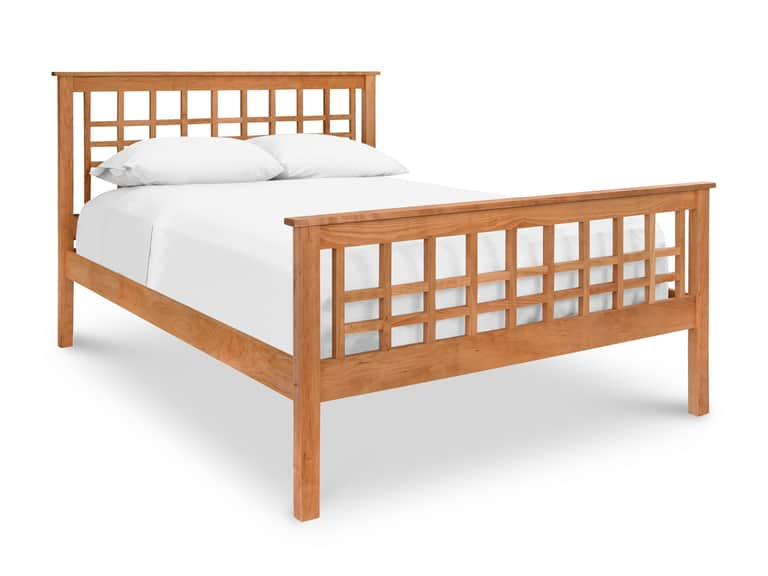
Modern Craftsman High Footboard Bed
Solid wood; handcrafted to order in Vermont; eco-friendly oil finish.
A connection to traditional craft, offering a durable, elegant foundation that pairs with natural-latex and organic cotton bedding for a holistic sleep aesthetic.
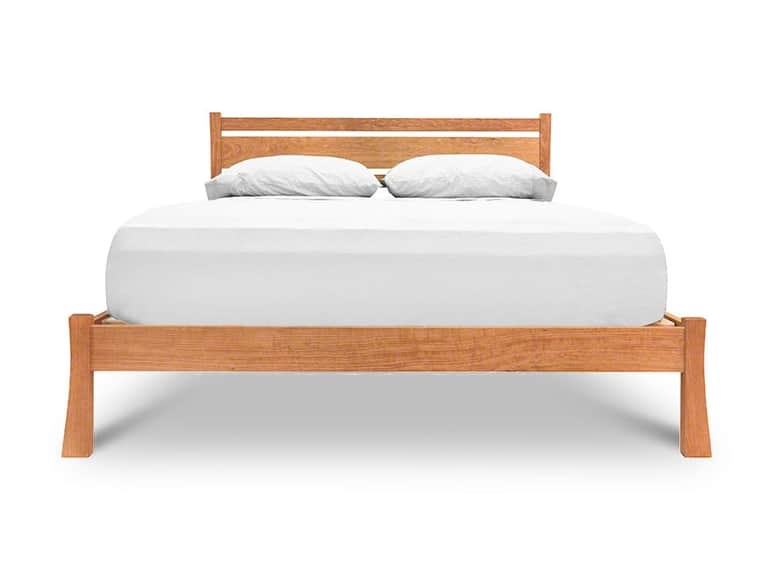
Horizon Platform Bed
Solid wood with eco-friendly oil finish; platform design.
A streamlined, durable platform option that resonates with a sleep setup emphasizing environmental responsibility and long-term stability.
Note: The included product profiles illustrate how a sleep environment can harmonize with organic materials and sustainable craftsmanship. These are not endorsements; they are contextual exemplars of the values discussed in this guide.
From Theory to Practice: Washington Readers and a Practical Path Forward
The ultimate goal is to empower readers to make sleep-enhancing choices that align with ecological and ethical standards. In Washington’s vibrant communities—from the urban grids of the nation’s capital to the evergreen landscapes of the Pacific Northwest—the mattress becomes more than a surface. It is a canvas upon which good sleep is sketched each night. By prioritizing certifications, understanding materials, and considering climate-specific needs, you can select an organic mattress that serves as a steady anchor for your daily rest and your broader health goals.
As you embark on this journey, remember that a trustworthy resource is not a sales pitch but a map of options, a transparent discussion of trade-offs, and a commitment to sleep health as a public good. The road toward an organic mattress is less about chasing the newest technology and more about embracing a lineage of responsible manufacturing, honest materials, and a bedroom that whispers, in every season, a patient and restorative lullaby.
Glossary: Terms to Know
To anchor your understanding, here is a concise glossary of terms you’ll encounter in the organic mattress landscape:
- GOTS – Global Organic Textile Standard; covers organic fiber content, processing, and labeling on textiles.
- GOLS – Global Organic Latex Standard; certifies the organic content and manufacturing of latex products.
- VOC – Volatile Organic Compounds; often discussed in relation to indoor air quality and adhesives used in mattress construction.
- Pressure relief – The degree to which a mattress distributes weight to reduce localized pressure on joints and the spine.
- Edge support – The sturdiness of a mattress’s edge, important for seating and stability near the perimeter.
Further Reading and Resources (Non-commercial, Washington-focused)
For readers who wish to deepen their understanding, seek out peer-reviewed sleep science sources, consumer safety publications, and local environmental standards applicable to bedding materials. The goal is to cultivate a well-rounded literacy that transcends brand messaging and centers on health, sustainability, and regional relevance.
This article is part of a Washington beds information initiative focused on non-commercial, evidence-based guidance for sleep, bedding, and healthy living in the Pacific Northwest and the Washington metropolitan region.